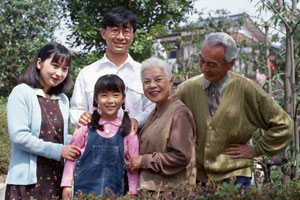
相続とは
ちょいと難しい話になりますが、みなさんは、何か相続をされたことがありますか?
私は、若い頃に父を亡くしましたが、権利はすべて母がまずは受け継ぎました。
その時は、欲も何もなく、“ふ~ん”なんて、思っただけでした。
【税金の雑学】
相続税
贈与税
財産の評価
ちょいと難しい話になりますが、みなさんは、何か相続をされたことがありますか?
私は、若い頃に父を亡くしましたが、権利はすべて母がまずは受け継ぎました。
その時は、欲も何もなく、“ふ~ん”なんて、思っただけでした。
【税金の雑学】
相続税
贈与税
財産の評価
 ★★★★★★★★★
 子供たちにも当然この権利はあると思いますが、たいした額でもない我が家のことでしたので、兄も私も、母のこれからの生きるすべのものだと理解しておりました。
この年齢になり、母も歳をとってくると、母の方から相続をどうしたらいいのかなー?なんて、話すようになりました。
母としては、兄に子供がいないせいか、私の1人娘にこの権利を渡したいようですが、私を通り越しての権利の継承は、きっと難しいでしょうね。
出来ないことはないだろうけど、いったん私がこれをもらって娘に渡すのが一番良い方法なのでしょうか?
それとも私が権利を放棄して娘に渡すことが、可能なのでしょうか?
権利の順番は?まずは、第一が配偶者です。夫または妻がこれにあたります。
内縁の配偶者は、これにあたりません。
そして、次は子供です。
養子や胎児も含むそうです。
次は、直系親族です。(養父母も含みます。)
優先順位は、親等に近い順です。
次は、兄弟姉妹です。
父母の一方が同じであることです。
しかし、相続欠各事由がある場合や相続権が排除されている時は、相続ができません。
代襲相続とは、権利が開始する前に権利を継承するべき人間が死亡した時にその孫が相続権を得ることです。
直系尊属には、代襲相続は認められておりません。再代襲相続は、代襲者である相続人の子が死亡した時や権利を失った時、継承できます。
代襲者が直系卑属では、永遠に続きますが、相続人が兄弟姉妹の時は、甥姪までだそうです。
また、被相続人のすべての権利を継承しますが、継承されない物もあります。
一身専属的権利というそうです。
しかし、お金の必要さが身にしみてわかってきて、自分が相続する様な年齢になって、今相続することになったら…。
と考えると、いろんな感情が出てきそうです。
一緒に住んでいないおばあちゃんの家へ遊びに行った時の事、いつものように最近あった出来事などたわいのない話をしていたのですが、おばあちゃんが急に何やらごそごそ出して来て、
「これあげる。
もう、私が持っていても仕方のないものだから…。」
と、そっと手にのせてくれたのはダイヤの指輪でした。
何か、物をくれるなんて事のなかったおばあちゃんだったので、何事が起きたのか、心配になりましたが、私に持っていて欲しいと持たせてくれた指輪なので、大切に保管してあります。
「こんな大切なものもらえないよ!」
と言ったのですが、
「ちょうど指に合うじゃない?」
とつけてくれたのです。
確かに指の太めの私に丁度合う大きさ。でも、形からみて、婚約指輪なんじゃないかという立て爪のデザインの指輪だったのです。
これも、相続と言うのでしょうか…。
「幸せになるんだよ。」
の、一言におばあちゃんに守られている気がして、嬉しかったのを思い出します。
指輪をもらった頃は結婚適齢期であったにも関わらず、結婚を自分のことに当てはめて考える事がなかった私は、こんな指輪を結婚相手の人から受け取る日は来るのだろうか…。
と、思っていました。
しかし、それからしばらくして、縁あって出会った人と結婚することになり、おばあちゃんに報告に行きました。
その時に、「結婚は辛抱が大事だよ!」と言われました。
おばあちゃんはどれだけの苦労をしてきたのだろう…と、思いましたが、辛抱して、おじいちゃんが亡くなるまで、おじいちゃんと夫婦で居続けました。
昔ながらの考え方のおばあちゃんは、堅実で、細やかな気遣いの出来る素敵な人でした。
結婚してから、戦争が始まり、おじいちゃんは戦争へ海外へ出た時期もありました。
戦争を知らない私達からしたら、戦争も経験して家族を守る事の難しさ、大変さを感じながらの結婚生活を長年経験したおばあちゃんの言葉の重みを感じないではいられませんでした。
今でも、おばあちゃんがかけてくれてた言葉は忘れることはありません。
越前ガニは蟹の王様。それには、他と違う理由があります。越前町の近海には、特殊な漁場があり、水深250~300メートルもぐったところは、メスが一番集まってくるところなんです。そのメスを求めて、生存競争に勝ち残ったオスが集まってきます。なので、沖合いで取れる蟹より、立派な雄蟹が取れるんですね。ズワイガニの中でも、最高級の蟹が取れる理由はそれなんです。近海で取れるために、とったその日のうちに、市場に出荷できて、鮮度も抜群!!越前がに 通販は、その鮮度抜群の越前がにを注文された方の元に直送できるので、鮮度がよくないわけがありません。年末年始のご馳走を買出しに行くと、冷凍の蟹、売ってますね~!そこらへんのスーパーで買ったものは、スカスカだったり、身がパサパサって事ないですか?大きさだけは、一丁前なのに、身が少ししかなくてまずいと、がっかりして買わなきゃよかったって思っちゃいますよね~。安い買い物じゃないから結構選んで買ってるつもりなんですが、一度、あきちゃんという通販を利用したら、安く越前がにが購入できて、その味の違いにびっくりしました。こんなにも同じズワイガニでも違うんだとびっくりしました。やすく買えたのは、訳ありがにだったからですが、足が一本もげていたとか、折れていたとか、食べるのには、何の問題もないことでした。それで、半値以下になってしまうそうです。ありがたいですよね~。食べる側としては、贈答品でもない限り、姿のよさはそこまで求めていませんから。
私は、二人姉妹ですが、結婚した妹も近くに住んでいる為、よく行き来をして仲がいいです。その妹家族が、今住んでいるアパートのそばに土地を買って、新築の家を建てました。二人とも共働きで、家を建てるために一生懸命子育てしながら、働いていたので、今、新築の家のことで夫婦がああしようこうしようって話で持ちきりそうだそうです。じゃあ、なんか新築祝いにプレゼントしないとと思っていて、何がいいかな~。掛け時計は、きっと今住んでいる家のがあるからいらないだろうし・・・。なんて思いながら、何がいい?って聞いたら、ちょっといい掛け時計がいいな~って。そんなわけで、新築祝いを妹と一緒に選んでます。いくらくらいまでならいいよ~なんて先に金額設定が出来ちゃうのも妹だから。姉妹だから気を使わなくてもいいし、気楽なもんです。新築の家は、木のぬくもりを感じる家なので、それにあわせた、木目の温かみがある時計がいいなって言ってます。自分で買うとなると、値段が気になって、そんないいのを買おうと思わないけど、プレゼントでもらえるって思うと、ちょっと冒険しちゃえるな~って言ってます。そんな妹がこれにしよっかな~って言っているのが、ポップな数字が踊っているような掛け時計です。子供部屋にいいかなっていう掛け時計があって羊やライオンの顔で鼻が針になってました。面白いですね。掛け時計って数字と針が基本ですから、あまり、応用が出来ないかなと思っていたのに、動物の顔を時計にしちゃうなんて。考える人はいるんですね。
お財布がほしいなって思ってネットで見ていました。ブランドの中でもエルメスが上品で憧れるので、将来はエルメス 財布がほしいなって思っていましたが、桁がひとつ違うので、勇気がなかなか出ません。今ほしいなって思っているのは、ピンク色の長財布で、内側が、エルメスのスカーフの模様のような仕切りが付いているものです。昔の太陽のマークがちょっとかっこいいですしね。お財布に20万円ですよ。ちょっと出せないですよね。エルメスがどうしてもほしかったので、携帯ストラップのベージュで、丸いシルバー金具が付いたものを購入したことがありますが、あれも1万円位したので、さんざん迷いました。本当はバッグがほしかったんですが、とてもとても手が出なかったので、記念?って事で、ストラップにしておきました。最近楽天で、中古のバッグでエルメスのボリード31センチオレンジ色の多機能バッグを見てとってもほしくなってしまいました。夏みかんのようなオレンジ色で、とても発色が綺麗です。面白いのは、うらの鋲が4つでなく5つあって、真ん中にひとつポンとあるんです。もし、たくさん荷物を入れていても、真ん中にも鋲があるので、地面に直接付かずに汚れないです。かぎつきなのも面白かったです。鍵を買っておけば、ファスナーをあけることができないので、人にあけられることがありません。
何でも揃う何でも屋さんってどこの町にもあるのでしょうか。私が住んでいる所にも色んなものが置いてある何でも屋さんがあります。お店の外にまでモノが溢れていて小さい頃そこを通るたびにここは何屋さんなんだろう・・物置部屋なのかな?と何のお店なのかも分からないくらいでした。便利屋 仙台のようにしっかりとお店の説明がしてあれば分かりやすいしお客さんもつくと思うんですが見た目が見た目なだけに何屋さんかもわからないと怪しいお店でしかないんですよね。大人になってから一度お店に入った事があるのですが凄くモノが沢山あって、手にとってみたくても取り出そうとすると一気に店の商品が落ちてきてしまいそうで恐いんですよね(笑)ああいうお店って商品をとにかくどこにでも置くといった感じで撮りやすいようにとか見栄えを良くとか考えずに陳列してるのがほとんどなんですよね~。しかしそのおかげで色んなモノをぎゅうぎゅう詰めにしておけるんですが。商品の種類では何でも屋さんが一番凄いんでしょうね。海外とかに行くとよくそういった置き方をしている露店が沢山並んでいますが日本ではあまりみかけませんよね。しかしそうゆう何でも屋さんには思いも寄らない掘り出し物が出てきたりするのでたまに見に幾分には楽しいですよね~。暇な時なんかにそういったお店をのぞくにいく事がよくあります。ちなみに何でも屋の由来はなんでも揃うから着ているそうですが実際に何でも揃うってわけじゃないですよね。ただ幅広いジャンルを扱っているから見つけやすいというだけであって、必ずしも自分が探しているモノが全部見つかるという意味ではありません。
古くなり痛んだ住宅を改築や改装をするリフォーム。これには、森林や土地を壊して新しい建物を作る他の建築業種に比べて好感を抱いている人も多いのではないだろうか。古くなって壊れた電気機器や子供のおもちゃを、修理して大事に大事に使う――そんな、ものを大切にする精神が根元から感じられるからだ。そんなリフォームが昨今では、多く広まってきている。火がついたきっかけは、1995年の阪神淡路・大震災の死亡原因9割が住宅の倒壊による圧迫死・窒息死であったことだった。神戸は地震の少ない地域だと信じられていた上に、築年数が1980年以前の古い建物が47%という状態であったことから、この結果に結びついてしまったといえる。この事例と二度とこのような犠牲者を出さないために、神戸は耐震補強に力を入れつつ住宅全体のリフォームに力を注ぐようになった。それがやがて、全国に広がり、神戸 リフォームの大切さを再認識させられることになったのである。ものを大切にする精神――とても素晴らしい心だが、壊れた場所は弱りかけている箇所をそのままにすることは住宅にとっても本人にとってもいづれマイナスになりかねない。こまめな修繕と点検を心がけてはいかがだろうか。
現代では仕事や人間関係やさまざまな理由で悩みを抱えている人が増えています。昔に比べて心に何らかの病を持った人はたくさんいて年齢層も若年化してきています。私の周りにもうつ病で病院にかかっている友達が2人居ます。うつ病は自律神経のバランスを崩したことで発症します。悩み事を溜めていたり人間関係が上手くいかなくて悩んでいたり精神的にバランスを崩したりすると発症する引き金にもなりかねません。こんな事になる前に抱えている悩みや心配事を誰かに話したり相談してみてください。もし家族などには話しづらい友達には話しづらいなど思って誰にも話せずにいる人はカウンセリング 名古屋に相談してみてはいかがでしょうか。こういったところでは家庭の悩み、人間関係の悩み個人的な悩みまで、何でも相談にのってもらえます。一人で悩みを抱えるのではなくて吐き出すことで楽になることもあります。悩みごとや嫌な事を友達に話すと楽になったりしますが、必ずしも身近な人に話が出来る人ばかりではありませんよね。そういった方の為にこのようなメンタルクリニックがあります。相談したことでまた新しい自分を見つけることができるかもしれません。まずは相談することから新しい一歩を踏み出してみてはいかがでしょうか。
水ナスって生で食べられるらしいですね。知りませんでした。料理に使う時結構な灰汁が出るので、灰汁の少ない種類があるとはい思いませんでした。 丸っこいナスや、長いナス、緑のナスに白いナス…。ひと口にナスといっても種類はいろいろで、野菜売り場で見ていても楽しいですね。 先日、ものすごく味の濃い、甘いトマトを見つけました。 名前を忘れてしまったのですが、名前からいっても甘そうなかんじの名前。房についた状態で販売されていて、量的にも沢山あって500円少し超したくらいの値段だったと思います。ミニトマトって、量の割に高いな…って感じがするので、その量なら、その値段でも買いかな…という程度で、試しに買ってみたのです。そこまで味を期待してなかったのですが、まず、赤色が濃いのは見て分かりました。食べてみてビックリ、これはトマトか?と思う程の甘さがあり味も濃厚。普通のミニトマトでもトマトの味が何十倍もの凝縮させた感じだと思っていたのに、さらに濃い味で、とっても美味しかったのです。糖度計で計ってみたかったくらい。遺伝子操作でそうなっているのか?栽培方法で変わるのか?詳しい事は分かりませんが、その子の育ち方が気になりました。野菜の栽培方法が気になる人におススメな野菜が販売されているのがこのサイトなのですが、ここhttp://www.muhiryou.com/では、自然農法にこだわった野菜が売られているので、特別変わった品種の野菜があるわけではないのですが、安心安全な野菜が販売されています。 変わった野菜もいいですが、昔ながらの変わらない野菜というのもホッと安心して食べられるというのも、一つの贅沢ですね。